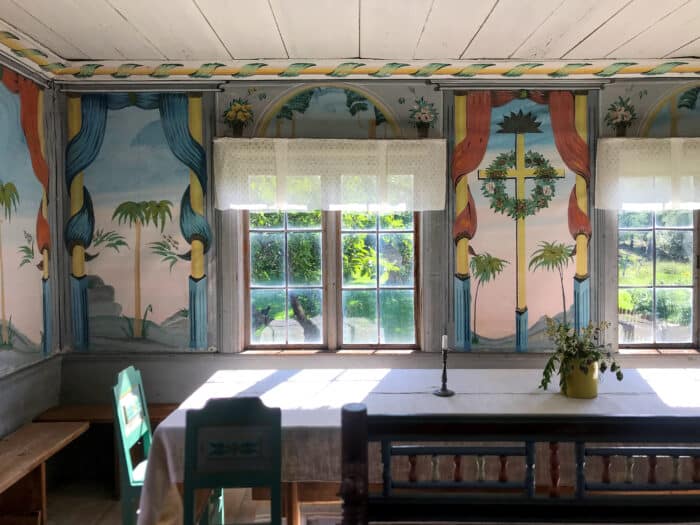
During the summer months, we open to visitors at the very top of the Mining Museum, in a space we call Atticum.
The exhibition is open daily from 15 June to 16 August. Admission to the exhibition is included in all tickets to Falu Gruva.
This year, the exhibition is created in collaboration with the World Heritage farm Gästgivars and Växbo Lin. It tells the story of two neighbouring regions that have met for centuries through trade, seasonal work migration, and shared traditions.
In 2001, the mine, the town, and the surrounding mining district of Falun were designated a World Heritage Site, and in 2012 seven Hälsingland farmhouses received the same designation. This means they are considered of outstanding value to humanity and are to be preserved for the future.
World Heritage farm Gästgivars
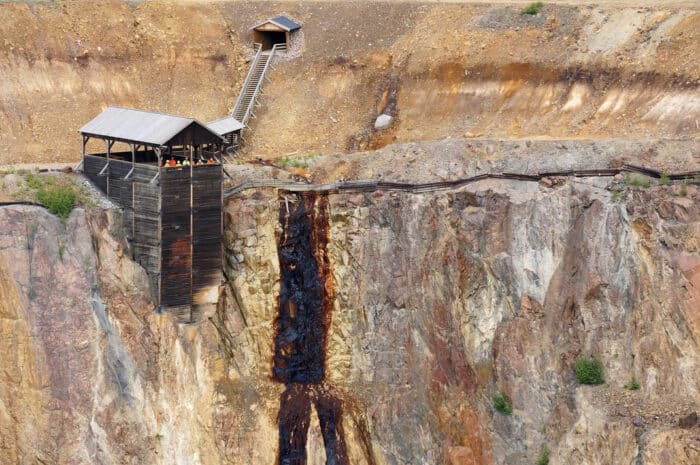
Gästgivars in Vallsta is owned and run by Pia and Björn Ohlsson. It is a Hälsingland farmhouse with a festivity building dating from the 19th century. The interiors are richly decorated with stencil paintings. The farm is open to visitors during the summer season, offering guided tours and a café.
Växbo Lin
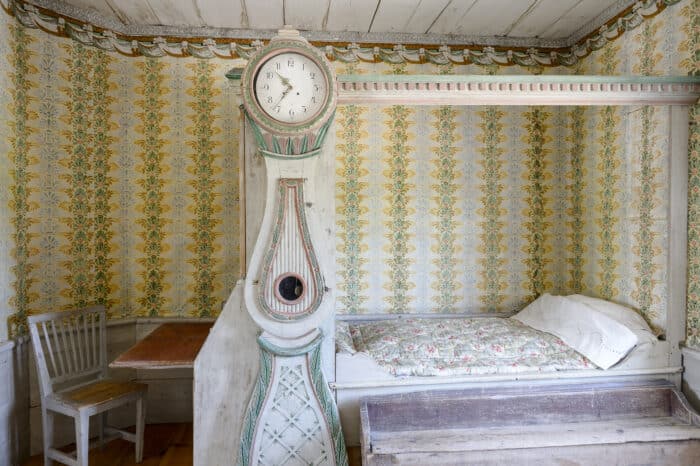
In 1990, ten residents of the small village of Växbo outside Bollnäs founded Växbo Lin – a modern linen mill in the heart of Hälsingland. In 2006, Hanna and Jacob Bruce took over the business. Today, linen products are woven and sewn in the factory using machines dating from 1923 onwards, carefully updated for the future. Despite the fact that a Swedish weaver costs as much as thirty in Asia, they have chosen to keep production in Sweden in order to preserve knowledge, create jobs, and support rural life.
In the Mine Shop, you can purchase a selection of products from Växbo Lin.
The Decorated Farmhouses of Hälsingland
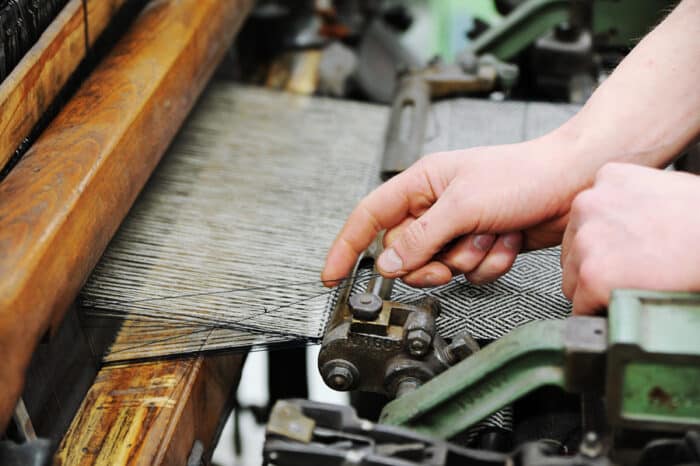
The Decorated Farmhouses of Hälsingland consist of seven selected farms that show how prosperous farmers lived during the 18th and 19th centuries. The farms are known for their large festivity houses, built for celebrations and special occasions. Their interiors are richly decorated with paintings, wallpapers, and woodwork created by local craftsmen. They were inscribed as a World Heritage Site because they are unique examples of a rural culture where elaborate architecture and artistic decoration have been preserved on an exceptional scale. Together, they offer a remarkably well-preserved picture of a historical countryside in which aesthetics and social status played an important role.